Which airline secrets do you know? | iStock.com/smoderek
Flying used to be a thing people dressed up for. It was an occasion; a thrill. As air travel
becomes as ubiquitous as taking a bus or a subway, that’s changing a
bit. Still, there are plenty of mysteries that persist 35,000 feet in
the air. And while flying can be a treat when it means jetting off to a
vacation or to see family or friends, you’re still paying a company to
get you there. That said, there are plenty of things airlines don’t want
you to know about flying.
For instance, what exactly are you entitled to when a flight is
cancelled or changed at the last minute? Why are flight attendants so
persistent about locking your tray tables? And how do you actually score
the best deals on tickets? We scoured the internet to find out for you.
Here are a few airline secrets you need to know to be a better informed
passenger.1. Every procedure is a contingency

Tray table | iStock.com/Jannoon028
And there’s more. Those tray tables need to be locked, and your seats need to be upright, so that people sitting past you can evacuate in the event of an emergency. It’s a matter of safety; not a reason to wake you while there’s still 30 minutes left in the flight.
2. Bumped from your flight? Take cash, not a voucher
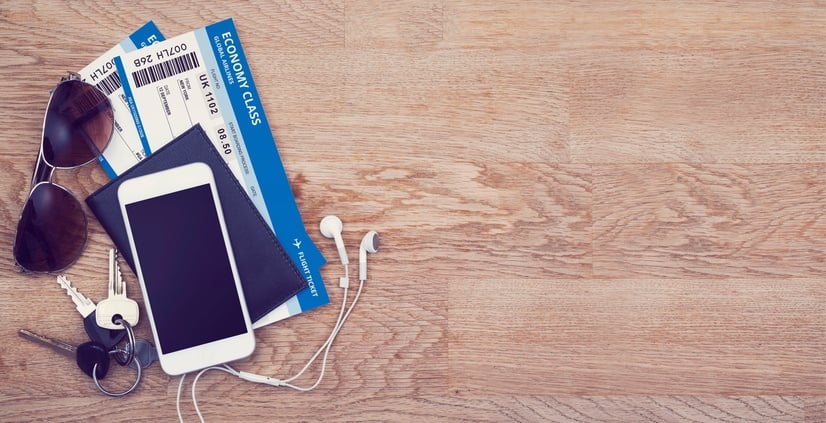
Travel items | iStock.com/mactrunk
You’ve heard those voucher offers for when a flight has too many checked passengers. Most times, that takes care of the problem — but don’t take them yourself. Only about 10% of people get bumped against their will — and the airlines have to pay up unless they can still get you to your destination on time. If you’re involuntarily delayed for two hours or more, Department of Transportation rules require that you’re compensated up to 400% of your ticket value, with a cap at $1,300. If they place you on another airline, you aren’t required to pay anything extra for your seat or baggage. (In-flight food, beverages, and entertainment don’t apply.)
3. Your pilot is probably tired
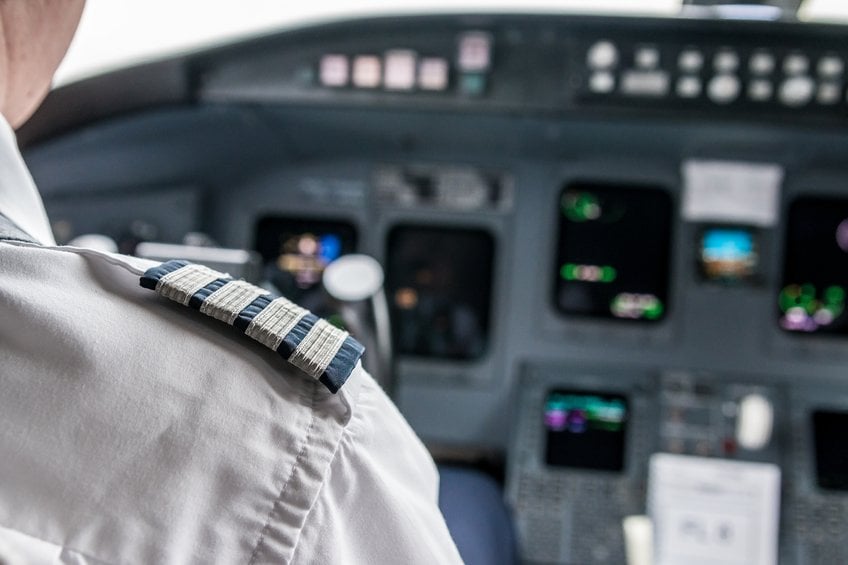
Pilot in cockpit | iStock.com/Matus Duda
The FAA does also require 8 hours of “rest” for pilots — but that isn’t limited to sleeping. Instead, it can also mean driving to and from the airport, eating, and preparing for the next flight.
4. You’re likely not paid enough for lost/delayed baggage

Luggage belt | iStock.com/Nomadsoul1
This is even the case if your luggage is delayed, not just lost. “… Carriers should remain willing to cover all reasonable, actual and verifiable expenses related to baggage loss, damage or delay,” the department stated in an update of its baggage policy.
5. Germs, germs, everywhere

Petri dish | iStock.com/solarseven
And yes, you can blame that airplane air for making you sick. The cabin air is filtered, yes, but it’s also pressurized. This strips the air of moisture, HowStuffWorks explains, which in turn dries out the mucous membranes that fight germs in your body. As a result, you’re more susceptible to the cold germs from the person coughing in 12A.
6. Know when to fly and buy
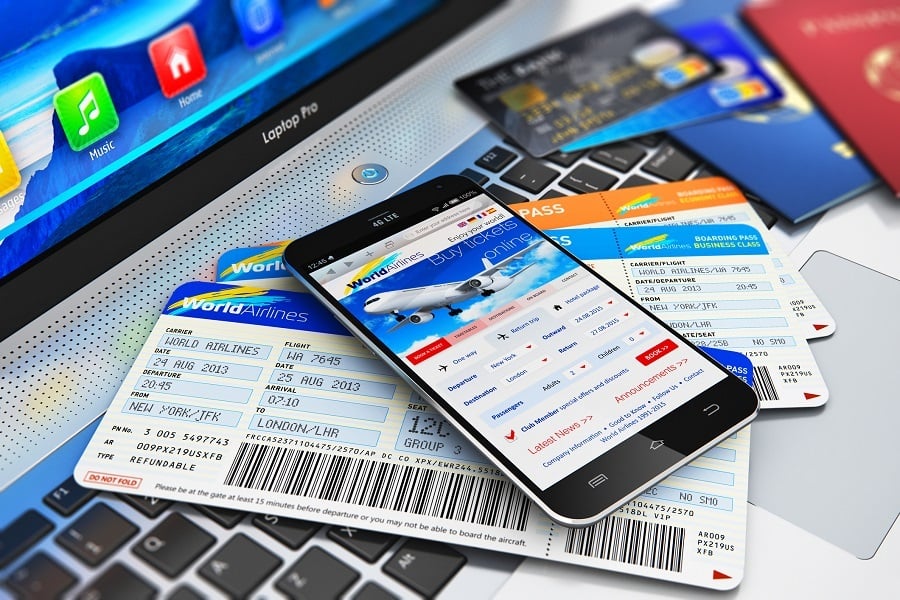
Purchasing airline tickets | iStock.com/scanrail
Price comparison sites can help you get the best deals, but airlines pay a fee every time you book a ticket on one. As a result, companies like Delta and Southwest have stopped sharing their prices on some comparison shopping sites. Skiplagged is the ninja version of those comparison sites, which can find deals using tactics like scheduling a flight with three stops — only to get off at your destination at Point B, not Point C. Keep in mind, however, the site is making a lot of enemies with airlines, and defeated United in a lawsuit. Though the company is in the clear, you might violate the terms of flying with a carrier if you engage in this tactic.
7. Buy group tickets one at a time
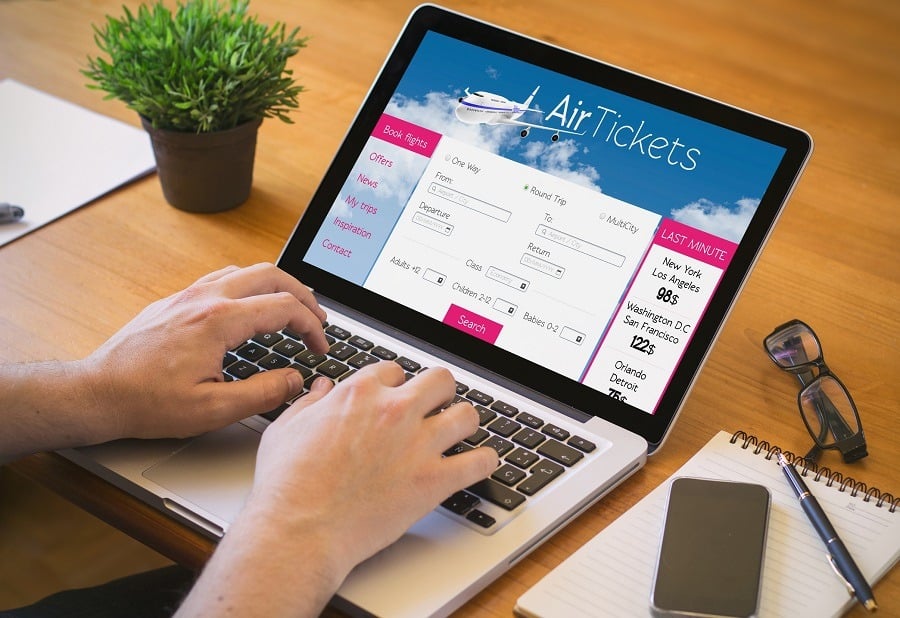
Airline ticket site | iStock.com/milindri
8. Every airline has a contract with you
Paperwork | iStock.com/BernardaSv
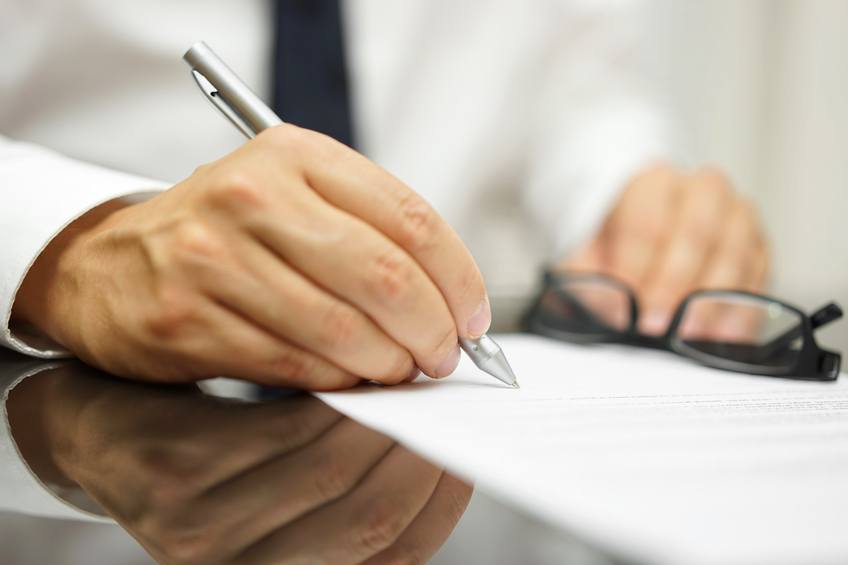
While most of these contracts will be similar, it’s a good idea to familiarize yourself with them — especially if you favor one airline over the others. Though you didn’t sign on any dotted line, these stipulations are technically what you’re agreeing to when you purchase an airline ticket. On the flip side, it also spells out the agreements the airline says it will abide by while you travel. (Here are the contracts for United, American, and Delta.)
9. Flight attendants aren’t your waitstaff in the sky

Flight attendants | Martijn Beekman/AFP/Getty Images
We are trained to do CPR, use EpiPens, AED, and defibrillators, we take self defense courses and practice what to do in case someone gets unruly or tries to take over the plane, we are there to guard the cockpit so people don’t get in during the flight, along with what to do in an evacuation. The correct way to position all of the passengers for a emergency landing, taking the emergency exit doors off of the planes, ushering everyone out while being the last ones out ourselves.
10. Flight cancelled? Make a call
Cancelled flights on airport | iStock.com/Mimadeo
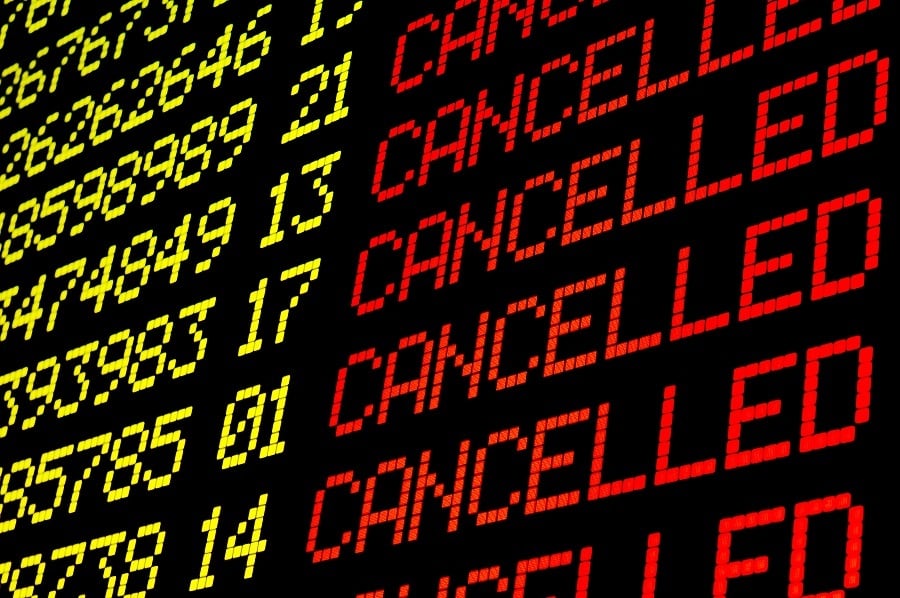
Another thing Airfare Watchdog points out: If your flight was substantially delayed or cancelled, you’re entitled to a refund — even if it was a nonrefundable ticket. Airlines have required customer service plans (like this one from American) that outline their procedures for these events. If you think you could run into a problem, read up ahead of time so you know what to expect.
Unfortunately, it’s safe to expect the number of cancellations or schedule changes to continue increasing. If a schedule change isn’t covered in the customer service plan, nonrefundable tickets can only be changed with a hefty penalty fee. As the The Wall Street Journal explains, those fees chalk up to billions of dollars for the industry over the course of a year. With airlines strapped for cash, they’re not going to give up those penalty fees anytime soon.

No comments:
Post a Comment